Encouraging Signs Amid Environmental Challenges
Helen Tandy, Founding Director
Eco Communities started from its single-use plastic campaigning and although we now have many more strings to our bow today, encouraging businesses 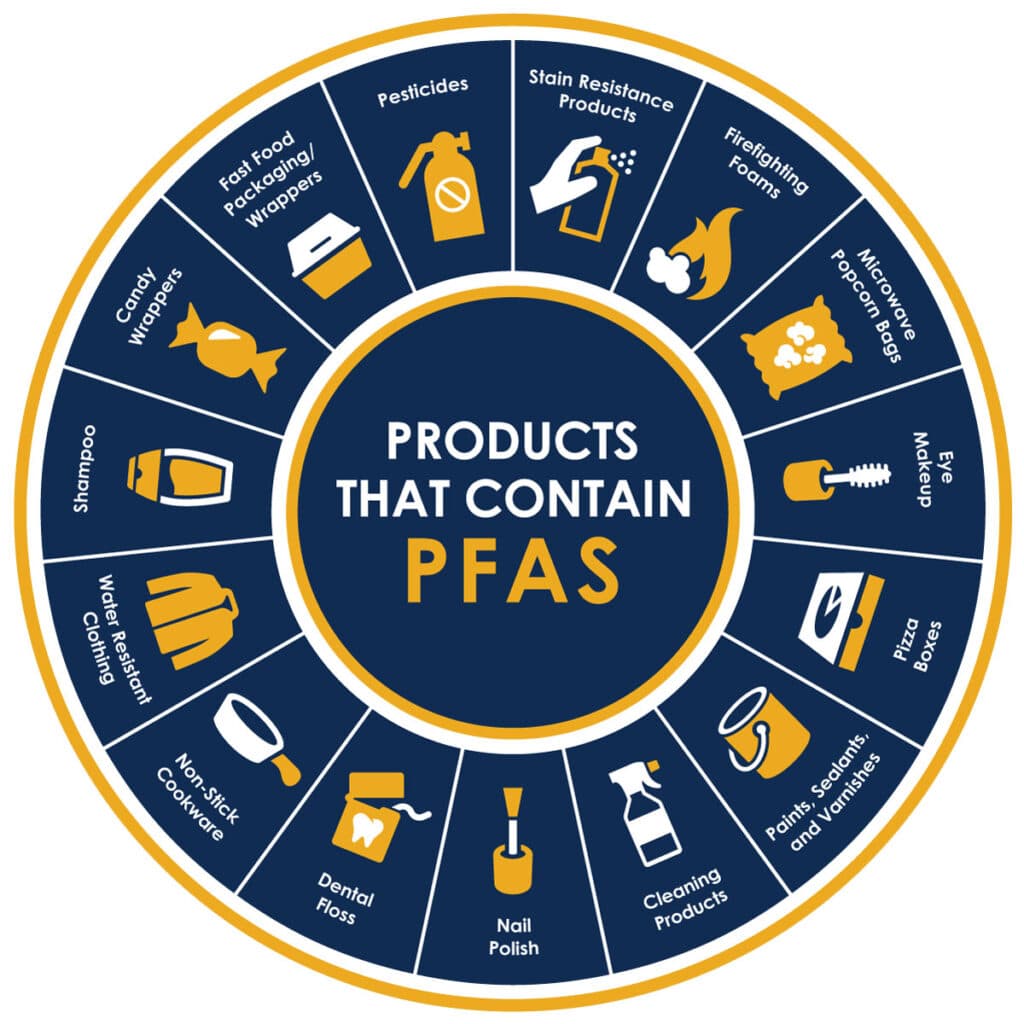
and individuals to reduce the use of single-use plastics remains at its core. As the Chester Rep, I’m proud of the work that Surfers Against Sewage does to protect our environment from both sewage and plastic pollution.
Amid the understandably sad and frustrating news around sewage pollution recently, it’s encouraging to see some positive steps being taken on plastics.
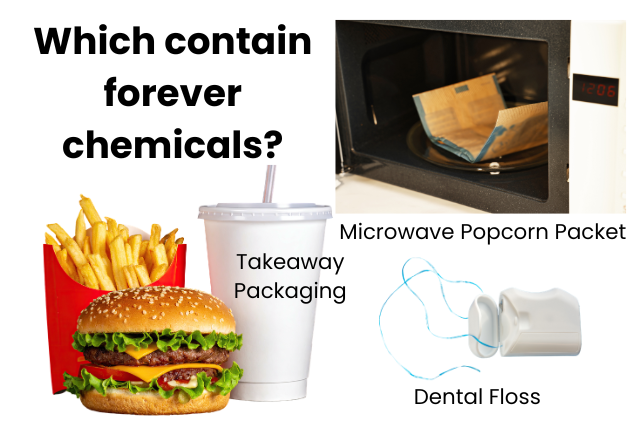
One important development is the UK Government’s first ever strategy to tackle PFAS, often called “forever chemicals.” These stubborn synthetic substances are used in everything from food packaging to waterproof clothing. They’re also commonly associated with plastics that find their way into rivers, estuaries and the wider marine environment. PFAS persist for centuries, build up through the food chain, and pose risks to both wildlife and human health.
The new strategy introduces monitoring and mapping of PFAS pollution and begins to set out a pathway toward reducing environmental exposure. This is evidence-driven action that recognises tackling plastic pollution isn’t just about the litter we can see, it’s also about addressing chemicals that linger in ecosystems long enough to affect future generations.
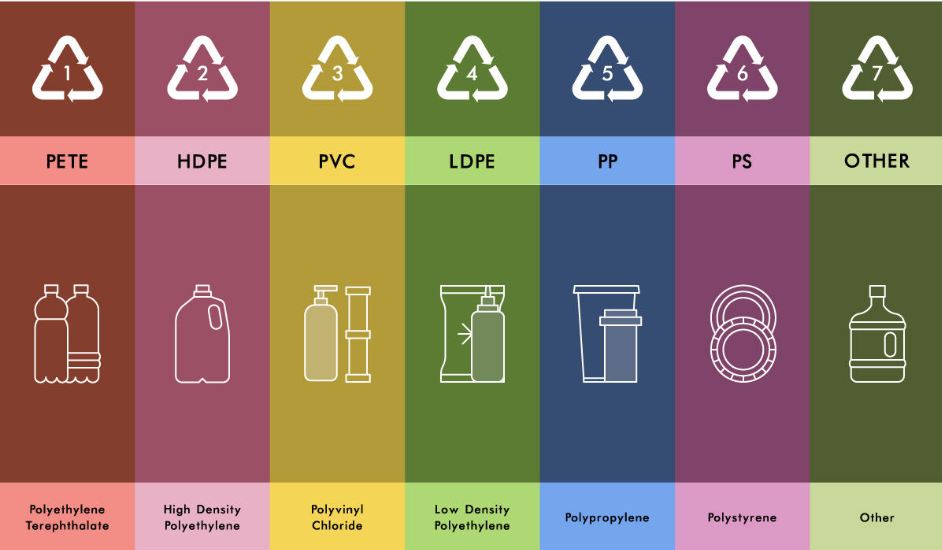
There has also been a quieter but important change behind the scenes with updates to the UK’s Extended Producer Responsibility (EPR) regulations. These refinements create incentives for producers to improve closed-loop recycling for food-grade plastics. In simple terms, companies that collect and recycle food-grade plastic back into food packaging can offset some of the fees they pay.
It’s a financial nudge encouraging producers to move towards reuse and recycling rather than a “toss-and-forget” culture — a step that benefits the circular economy and helps reduce plastic leakage into the environment. An even stronger step forward would be to reward businesses for reducing or eliminating plastic at the design stage altogether, encouraging refill systems, material-light packaging and alternative formats. That would shift the focus from managing waste to preventing it in the first place.
Another significant moment came when the UK Parliament at Palace of Westminster formally backed the High Seas Treaty (BBNJ Agreement). By ratifying the agreement, the UK committed to helping establish marine protected areas in international waters and strengthening environmental impact assessments for activities such as shipping and offshore development.
For a maritime nation like the UK, with strong economic, cultural and environmental ties to the ocean, this reinforces leadership on marine protection and builds on initiatives such as the Blue Belt Programme. Plastic pollution doesn’t respect national borders — debris circulating through the North Atlantic and beyond often ends up on shared coastlines and in international waters. Supporting the High Seas Treaty helps close regulatory gaps in those areas, where governance has historically been weak.
These are positive steps — but there is still much more to do.
To build on this progress, the UK Government must allow full implementation of Deposit Return Schemes at the earliest possible opportunity, introduce strong limits on PFAS, and bring forward further bans on unnecessary single-use plastics.
If we are serious about ending plastic pollution altogether, then stronger action is needed. This includes setting legally binding targets to reduce plastic production and consumption, implementing world-leading circular economy policies across the UK, and introducing legally binding reuse targets alongside effective deposit return systems.
Government must also legislate to ban hazardous chemicals across the plastics lifecycle, including toxic additives, PFAS and endocrine-disrupting substances that threaten both human health and marine life. Finally, we need decisive action on the most polluting, non-essential single-use items regularly found by communities on beaches, riverbanks and in the wider natural environment.
There are encouraging signs of progress — but tackling plastic pollution properly will require sustained commitment, bold policy and continued pressure from communities who care about protecting our seas, rivers and wildlife. 🌊♻️
How to get involved
Read More and share this blog – Campaign for the ocean
Become a Volunteer with us – Read about supporting Eco Communities