Helen Tandy, Founder, Eco Communities
This story was taken from a mix of a Podcast and an article in Ethical Consumer recently.
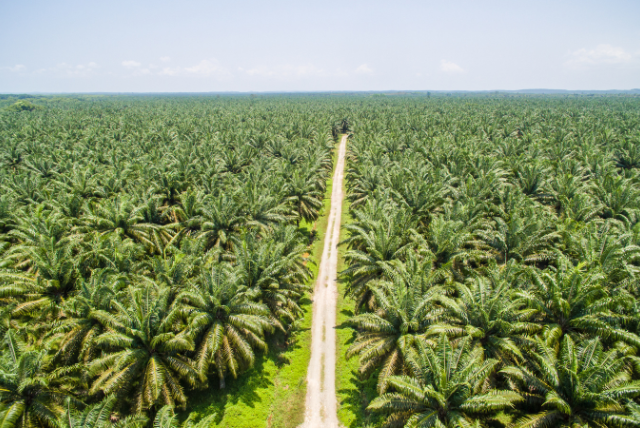
I have been very aware of palm oil both from Chester Zoos work and links we had with Iceland. Palm oil is everywhere. From food to cosmetics, cleaning products to candles, it’s one of the most widely used vegetable oils in the world. But behind its convenience lies a complex environmental and ethical story, one that eco communities are increasingly engaging with.
The Problem with Palm Oil
Palm oil production has been a major driver of deforestation, particularly in Southeast Asia. Vast areas of rainforest have been cleared to make way for plantations, destroying habitats for endangered species like orangutans, tigers, and elephants. Alongside biodiversity loss, there are also serious concerns around:
- Human rights violations in supply chains
- Land grabbing and displacement of local communities
- Greenhouse gas emissions from deforestation and peatland destruction
Campaigns such as Chester Zoo’s palm oil initiative highlight these impacts and raise awareness about how everyday choices affect global ecosystems.
Why “Palm Oil Free” Isn’t Always the Answer
It might seem logical to avoid palm oil completely, but the reality is more nuanced. Palm oil is an incredibly efficient crop. It produces far more oil per hectare than alternatives like soybean, coconut, or rapeseed oil. Replacing palm oil with these alternatives can actually require more land, potentially causing even greater environmental harm.
So the goal isn’t simply to eliminate palm oil—it’s to improve how it’s produced.
The Case for Sustainable Palm Oil
Sustainable palm oil aims to reduce environmental and social harm by ensuring:
- No deforestation
- Protection of wildlife habitats
- Fair treatment of workers and communities
- Transparent, traceable supply chains
Certifications (such as RSPO – Roundtable on Sustainable Palm Oil) are not perfect, but they represent an important step toward accountability and better industry practices.
Palm Oil and Soap
At Full Circle Refill, our chosen products in the Fill Refill range prioritise sustainably sourced, certified palm ingredients. It’s about supporting companies that are actively trying to do better.
What Ethical Consumer Research Shows
According to Ethical Consumer’s analysis, some brands are clearly leading the way on palm oil responsibility. Fill Refill was one of the high scoring brands against a wide rage of criteria including palm oil, with over 80 our of 100. Middling are Faith in Nature and Tropic Skincare. Low scoring brands are many you might see in the Supermarket. Johnsons, Nivea, Carex, Cussons, Imperial Leather, Soap and Glory, Palmolive.
Making Better Choices
As consumers, we have influence—but it’s most powerful when informed. Whether that’s, animal testing, climate impact, company ethos, tax conduct, workers or palm oil it all helps. When it comes to palm oil we believe that rather than focusing solely on “palm oil free,” consider:
- Supporting brands committed to certified sustainable palm oil
- Choosing refill systems that reduce overall consumption and waste
- Engaging with campaigns (like Chester Zoo’s) that push for systemic change
Full Circle Refill’s Approach
At Full Circle Refill, we believe in transparency, informed choices, and progress over perfection. That’s why we support sustainable palm oil rather than simply avoiding it altogether. Our mission is to make low-impact living accessible and practical. By offering refillable products from responsible brands like Fill Refill, we’re helping reduce plastic waste and support better sourcing practices.
Fill confirm, ‘Fill does not directly use Palm Oil in the manufacture of its products. We ensure that where possible our raw materials are free from Palm Oil and its derivatives. Where materials derived from Palm Oil have to be used we ensure that these have been manufactured using only sustainable Palm Oil. Because real sustainability isn’t about quick fixes—it’s about thoughtful, long-term change.’
Listen to Rubbish Podcast on Palm oil – 89. Is palm oil really that bad?
Palm oil isn’t a black-and-white issue. It’s a global challenge that requires balanced solutions. By choosing sustainable options and supporting ethical brands, we can protect forests, wildlife, and communities—without creating unintended consequences elsewhere.
Small, informed choices really do add up.
193 critically endangered, endangered and vulnerable species are impacted globally by palm oil. One of these animals is the orangutan, of which all three species are listed as Critically Endangered by the International Union for the Conservation of Nature.150,000 Bornean orangutans are thought to have been lost over the past 16 years, with oil palm being one of the main risks.