Finding Hope in the Green Finance Landscape
Coming from a background in financial services, I’ve seen how money and markets react to both confidence and fear. So when the Net-Zero Banking Alliance (NZBA) – a UN-backed group that once brought together major global banks – collapsed this year, it was worrying. The alliance no longer acts as a team working toward shared commitments; it now only provides guidance. For many, that looked like a serious setback for climate action in finance.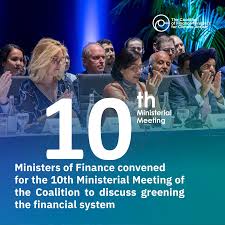
But I think there’s still plenty of reason to be hopeful. Last week, finance ministers from more than 100 countries met in Washington, and the message coming out of that meeting was clear: the world is not giving up on green progress. In fact, the economic case for climate action is being rebuilt – and this time, it’s stronger.
A Turning Point
Governments are now talking about climate change not only as an environmental challenge, but also as an opportunity to create jobs, boost growth, and strengthen communities. The meeting resulted in a plan to scale up climate finance – the money needed to fund green projects – to around $1.3 trillion a year. That’s an enormous number, but it shows the level of ambition that’s emerging.
This isn’t just talk. There’s a growing push to make the global financial system work better for sustainability – changing how credit is given, how projects are insured, and how public money can unlock private investment. These are practical changes that can open doors for renewable energy, green housing, and climate-resilient infrastructure.
For those of us with experience in financial services, this signals something positive. It means governments are now working to create conditions where businesses, banks, and communities can move together toward a greener economy. Change is coming from the ground up and the top down.
Why This Matters After NZBA
The NZBA’s collapse felt like a loss, but it may actually be the start of something more realistic. Many banks had signed up with good intentions but struggled to balance long-term climate goals with short-term financial pressures. The lesson here is that voluntary promises only go so far. We need stronger frameworks and clearer accountability to make sure climate finance really delivers.
Now that governments are stepping in to set the rules and create the right incentives, the foundation for meaningful change is being laid. The $1.3 trillion plan is a signal that climate investment isn’t disappearing – it’s being redesigned to be more effective and fair.
Looking Ahead to COP30
The next major climate conference, COP30 in Brazil, is expected to build on this momentum. Climate finance will be a major theme, and this time the discussions will focus on real-world progress and shared solutions rather than distant promises. The shift is from talking about “alliances” to building the actual financial structures that can make change happen.
This creates exciting opportunities for innovation – new types of green loans, bonds that fund climate-friendly projects, and insurance products that protect vulnerable communities. The private sector still has a vital role to play, but now it’s being supported by stronger government action and international coordination.

A Positive Outlook
The NZBA’s end was a wake-up call, but it’s also a reminder that the sustainability movement is evolving. Real progress means weaving environmental goals into the fabric of our economy, not treating them as optional extras.
At Eco Community UK, we see this as a moment for renewed action and collaboration. If finance ministers around the world can realign the system to support green growth, then communities like ours can play a key role in making that change real – through local projects, partnerships, and education.
The message from Washington is one of resilience and renewal. Despite setbacks, the world is still moving toward an economy that values people, planet, and prosperity. And that’s something worth believing in.