]Now I have more time I managed to sort a meeting with Tara, Strategic Waste Manager for CWaC Council, where talked about the challenges facing our local recycling system. One message came through loud and clear — what we put in our bins really matters.
At the Canalside Material Recovery Facility (MRF), contamination from plastic film has become a major problem. It now makes up around 18% (updated from 23% 071025) of items in the cans, glass and plastic stream. Unfortunately, film plastics, things like crisp packets, bread bags and cling film can’t be sorted by the current machinery, and they end up tangling equipment, lowering material quality and even causing losses in recycling output. See this great video of Cheshire West Recycling – learn how we separate your materials – CLICK HERE you can see how they deal with flexible plastics.
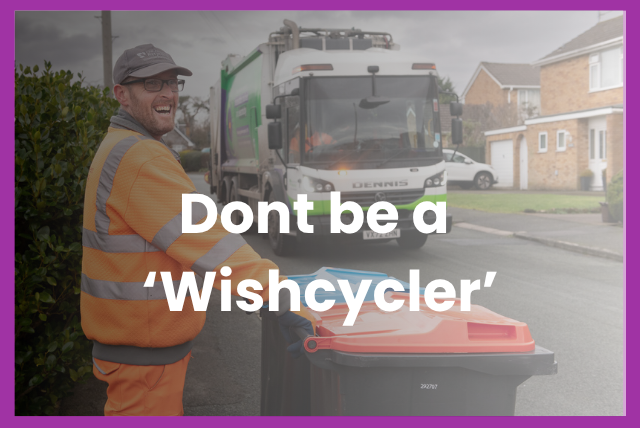
This is a classic case of “wishcycling” – putting items in the recycling bin in the hope they’ll be dealt with somehow. But in reality, these materials cause more harm than good. So, for now, please keep film plastics out of your home recycling bins. (see bottom f this blog for more information on ‘Wishcycling’
The Future of Flexible Plastic Recycling
Many people ask when we’ll be able to recycle flexible plastics at home. The truth is, the UK is working on it, but progress is slow. A national rollout is expected by 2027, but councils across the country are warning that costs and infrastructure challenges could delay that timeline. Treatment costs currently sit at around £650 per tonne, and suitable markets for the recycled material remain unstable.
If you’d like to learn more about where things stand nationally, I recommend the Talking Rubbish Podcast’s recent blog on the flexible plastics pilot — it’s a great insight into how the industry is testing solutions for this difficult material stream.
What You Can Do Right Now
Until we have local collection options, the best thing you can do is:
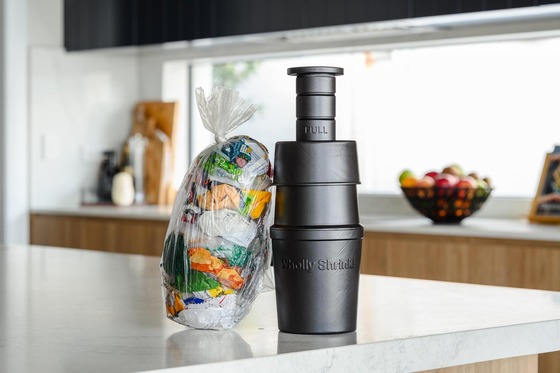
-Squash It and Drop It – use a Wholly Shrink to collect clean, dry plastic films and compact it ready to take it to supermarket collection points. Many major retailers still accept items like bread bags, fruit and veg packaging, and frozen food bags. We have a small number of the Shrinkers from a bulk purchase – email office@sustainablecheshire.uk to get yours for £24.00 with collection from Chester.
-Avoid over-recycling – stick to what’s on the Council’s recycling list. Refresh your memory to check you are 100% sure what you can and cant recycle and don’t forget friends. family in different regions of the UK might be working to different rules. SEE Cheshire West List here
-Spread the word – most contamination comes from confusion or good intentions. The more we share accurate information, the better our community’s recycling performance will be.
Positive Local Initiatives
The Council is also launching an exciting pop-up waste and recycling service in the Garden Quarter this month. This six-month trial will make it easier for residents to recycle correctly and tackle issues like fly-tipping in busy areas.
Meanwhile, work continues to find solutions for hard-to-recycle materials like blister packs. Our team has secured collection boxes for these, but long-term funding remains a challenge, as even large pharmacy chains have scaled back their own schemes. Community involvement will be key to keeping these going. Red more in our September Tellus News
Final Thought
Improving recycling in Cheshire West isn’t just about collecting more, it’s about collecting better. Every item we put in the wrong bin increases costs, slows sorting and ultimately sends more waste to landfill or incineration. Together, through good information and practical habits, we can make sure our recycling really counts.

Read more
Wishcycling
Wishcycling is the incorrect but hopeful act of placing questionable items into the recycling bin, which can contaminate an entire load and damage machinery. In Cheshire West and Chester, this is a significant issue, with 1,460 tonnes of waste collected in red and blue-lidded bins last year unable to be recycled due to contamination. The local council, which runs a kerbside sorting system to reduce contamination, estimates that incorrect recycling cost around £180,000 in lost income and extra waste treatment.
Other common wishcycling mistakes and how to avoid them
- Receipts: Thermal paper receipts are not recyclable because they are coated with a chemical called Bisphenol A (BPA) or Bisphenol S (BPS). Put these in your general waste bin instead.
- Drinking glasses and glass cookware: Unlike glass bottles and jars, these items are heat-treated and do not melt at the same temperature as other glass. You should take them to a local recycling centre for proper disposal.
- Kitchen roll: This is usually contaminated with food or grease and is made with short fibres that cannot be recycled further. Put used kitchen roll in your general waste bin.
- Blue-lidded bin (paper, card, and cartons): This bin is for paper, magazines, directories, junk mail, cardboard, and empty cartons.
- Red-lidded bin (mixed recycling): Use this for empty aluminium and steel tins, cans, and empty aerosols. Plastic bottles used for drinks, toiletries, and cleaning products also go in here.
- Small electricals, batteries, and other items: For small electrical items, household batteries, cooking oil (in a sealed container), mobile phones, small empty printer cartridges, and spectacles, place them out for collection next to your recycling bins in a sturdy box or plastic bag.