Helen Tandy
Recently, a number of social media posts have claimed that glass bottles are worse for the environment than plastic because they are heavier to transport. Weight, they argue, equals higher emissions — case closed.
But this argument only holds up if we assume a single-use, long-distance, disposable system.
That’s not the system glass is meant for, and it’s certainly not the system we’re building through refill and reuse.
The problem with focusing on weight alone
Yes, glass weighs more than plastic. But sustainability can’t be measured by weight alone.
Many liquids consumed in the UK — including drinks, oils, and other food products — are transported in bulk containers (by ship or tanker) and only bottled in glass once they arrive in the UK. This significantly reduces packaging weight during long-distance transport.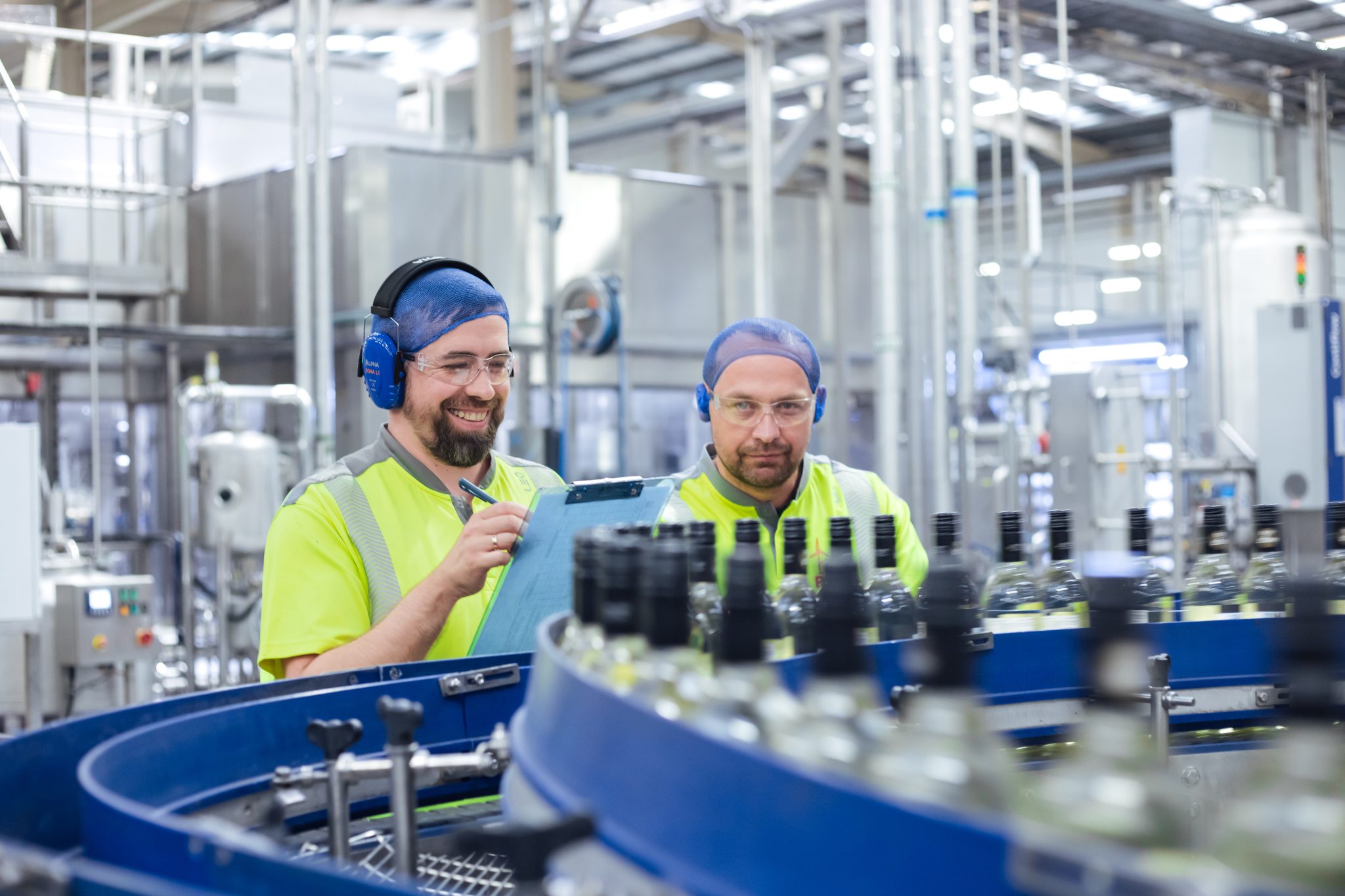
Here in the UK, companies such as Encirc, part of the Vidrala Group, which operates a major glass manufacturing and bottling facility near Chester, are already part of this model. Glass bottles are made, filled, and circulated domestically, supporting local jobs while reducing unnecessary transport emissions. Read More in this The Drinks Business Article
So the idea that glass bottles are always shipped long distances in their final form simply isn’t true.
Where refill schemes change everything
The biggest flaw in anti-glass arguments is that they ignore reuse.
This is where refill schemes, like doorstep milk delivery in reusable glass bottles, completely change the picture.
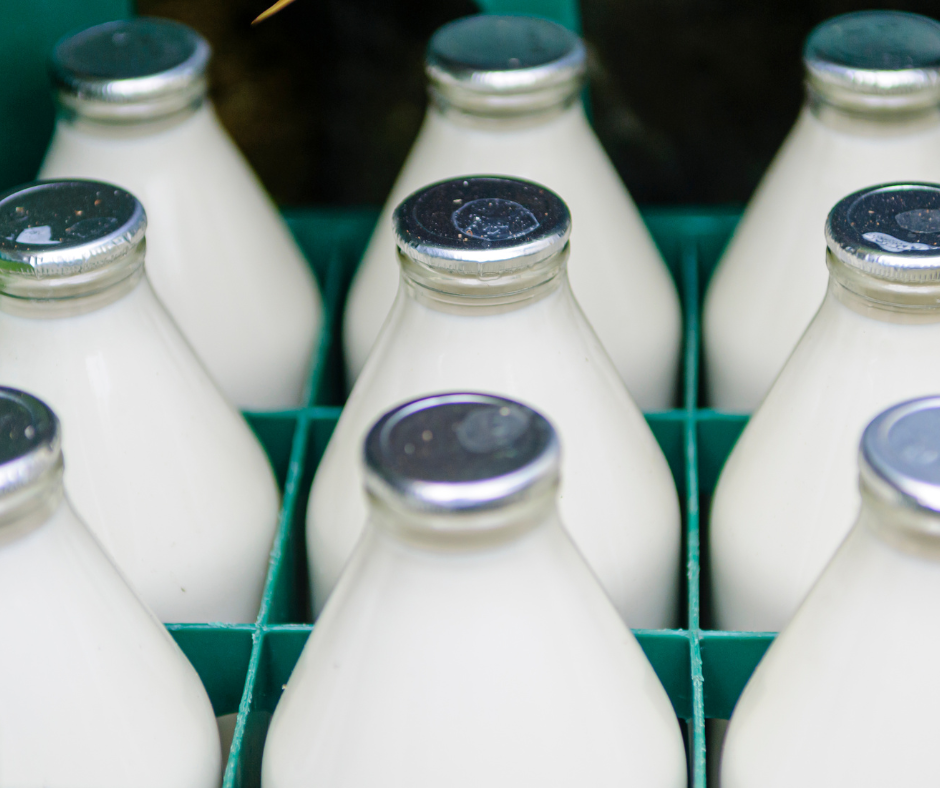 Through our refill scheme Full Circle Refill Scheme, the liquids are collected in bottles which can we refilled again and again. Kept in a closed-loop system within the community. Peckforton Dairy in Tarporley deliver large bottles of milk in glass to many Chester businesses. I have almost always had door step milk deliveries, whether for milk or oat milk.
A single glass milk bottle can be reused dozens of times, replacing dozens of plastic bottles that would otherwise be used once and discarded.
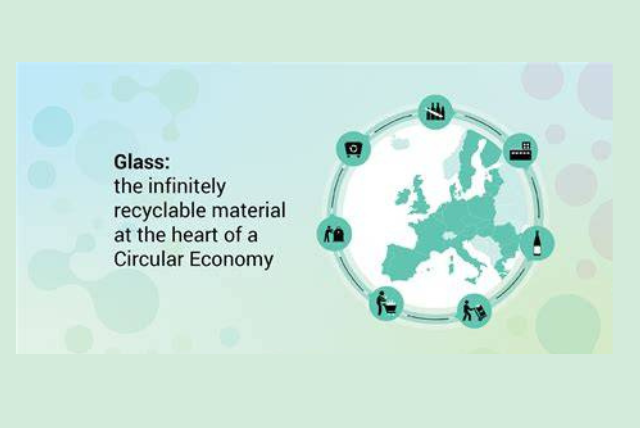
When a glass bottle eventually reaches the end of its life, it can be recycled back into new glass without loss of quality. Plastic can’t do that.
This is what a circular economy actually looks like.
Plastic’s advantage, and its hidden cost
Plastic is often defended because it’s lightweight. But lightweight packaging comes with heavyweight consequences.
Plastic bottles are usually made from fossil fuels, degrade every time they’re recycled, and frequently end up incinerated, landfilled, or leaking into the natural environment. They also shed microplastics, which are now found in water, food, and human bodies — including children’s.
Glass doesn’t leach chemicals, doesn’t shed microplastics, and doesn’t degrade with reuse.
When we’re talking about everyday essentials like milk — especially for families — that matters.
Health, trust, and everyday wellbeing
Glass is chemically inert. It doesn’t absorb flavours, colours, or bacteria, and it doesn’t release endocrine-disrupting chemicals into food and drink.
For households using doorstep milk delivery, refillable glass bottles offer:
-
Reduced plastic exposure
-
A safer container for food
-
A visible, practical climate-positive habit
Refill isn’t just about waste reduction — it’s about health, trust, and long-term wellbeing.
Rethinking convenience
Critics of glass often frame reuse as inconvenient or old-fashioned. But refill schemes work because they’re designed into daily life.
Doorstep milk delivery removes the need for repeated purchases of disposable packaging. Bottles are delivered, collected, and reused as part of a simple, reliable system.
This isn’t a step backwards — it’s a smarter system.
Asking the right question
Instead of asking:
“Is glass heavier than plastic?”
We should be asking:
“Is this packaging designed to be reused locally , or thrown away after minutes of use?”
When glass is used as intended — refilled, returned, and reused — it outperforms plastic environmentally, socially, and for health.
The takeaway
Glass isn’t the problem.
Single-use systems are.
Refill schemes like doorstep milk delivery show that we already have practical, working solutions that cut plastic waste, reduce pollution, and support healthier communities.
If we’re serious about sustainability, the answer isn’t lighter disposables, it’s stronger local systems. And refillable glass bottles are a proven part of that future. That’s why here at Eco Communities we are talking more about circular living –
👉 Find out more about our refill scheme here: CLICK HERE