The Peak Cluster project is a major initiative aimed at securing the future of Britain’s cement and lime production industry while reducing carbon emissions. As part of the early consultation phase, residents have a unique opportunity to shape how this project develops.
What the Project Involves
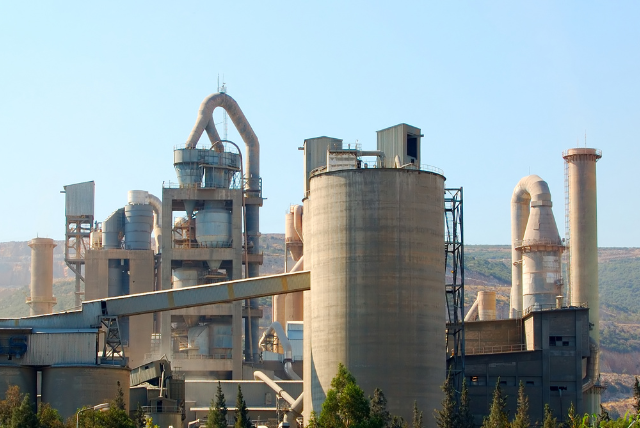
Peak Cluster brings together four leading cement and lime producers to implement carbon capture and storage (CCS) technology. CO₂ emissions from production will be captured at source, compressed, and transported via a new underground pipeline for permanent storage under the East Irish seabed. This is intended to significantly reduce greenhouse gas emissions while maintaining the supply of essential building materials.
Traditionally, cement production is very carbon‑intensive because limestone (calcium carbonate) must be heated to make clinker — a process that inherently releases CO₂ — and because high‑temperature kilns burn fossil fuels. Globally, this sector accounts for roughly 7 – 8 % of all human‑made CO₂ emissions.
Potential Benefits for Residents and Communities
-
Job Security and Creation: The project aims to protect existing jobs and create new roles in the cement and lime sector.
-
Environmental Impact: CCS technology can reduce CO₂ emissions, contributing to cleaner air and helping the UK meet its climate goals.
-
Infrastructure Investment: The development could bring investment into local areas, improving facilities and supporting the economy.
-
Sustainable Industry: Ensures a reliable, low-carbon source of materials vital for homes, hospitals, roads, and water purification.
Potential Drawbacks or Concerns
-
Construction Disruption: Building new facilities and pipelines may cause temporary noise, traffic, or landscape changes.
-
Safety Concerns: While CO₂ storage is designed to be secure, underground pipelines and storage may raise questions among residents.
-
Environmental Risks: Any large industrial project carries environmental risks that need careful monitoring.
-
Long-Term Commitment: Once established, CCS infrastructure is permanent, which may impact land use and local planning for decades.
Why Attend the Consultation Meeting
-
Ask Questions Directly: Residents can speak to project representatives about how the scheme might affect their local area.
-
Shape the Proposal: Early input can influence route planning, environmental protections, and other key decisions.
-
Stay Informed: Understand how CCS works, why it’s needed, and what safeguards are in place.
-
Voice Concerns: Ensures that local opinions are formally recorded and considered before planning decisions are made.
On average, about 900 kg of CO₂ is released for every tonne of cement produced under conventional processes.
Final Thoughts
Attending the consultation gives residents a direct voice in a project that could have significant local and national impact. While the benefits are substantial, it’s also an opportunity to raise questions and ensure potential drawbacks are addressed. Whether you are interested in environmental issues, local jobs, or community planning, your participation matters.
The Peak Cluster team are available to answer any questions that you may have about the project. They can be contacted in the following ways:
- Email: consultation@peakcluster.co.uk
- Phone: 0800 0129 167 (freephone number)
- Write: FREEPOST PEAK CLUSTER
Please also follow us on social media:
- Facebook: @peakcluster
- LinkedIn: @Peak Cluster
- Instagram: @peakcluster