Helen Tandy
As Christmas is fast approaching, many of us have already bought and posted cards and are not getting ready to wrap presents. At this point in the year, sustainability is often less about buying differently (I am sure you are more organised than me and are done shopping) and more about knowing what can — and can’t — be reused or recycled, and how we share that knowledge kindly with family.
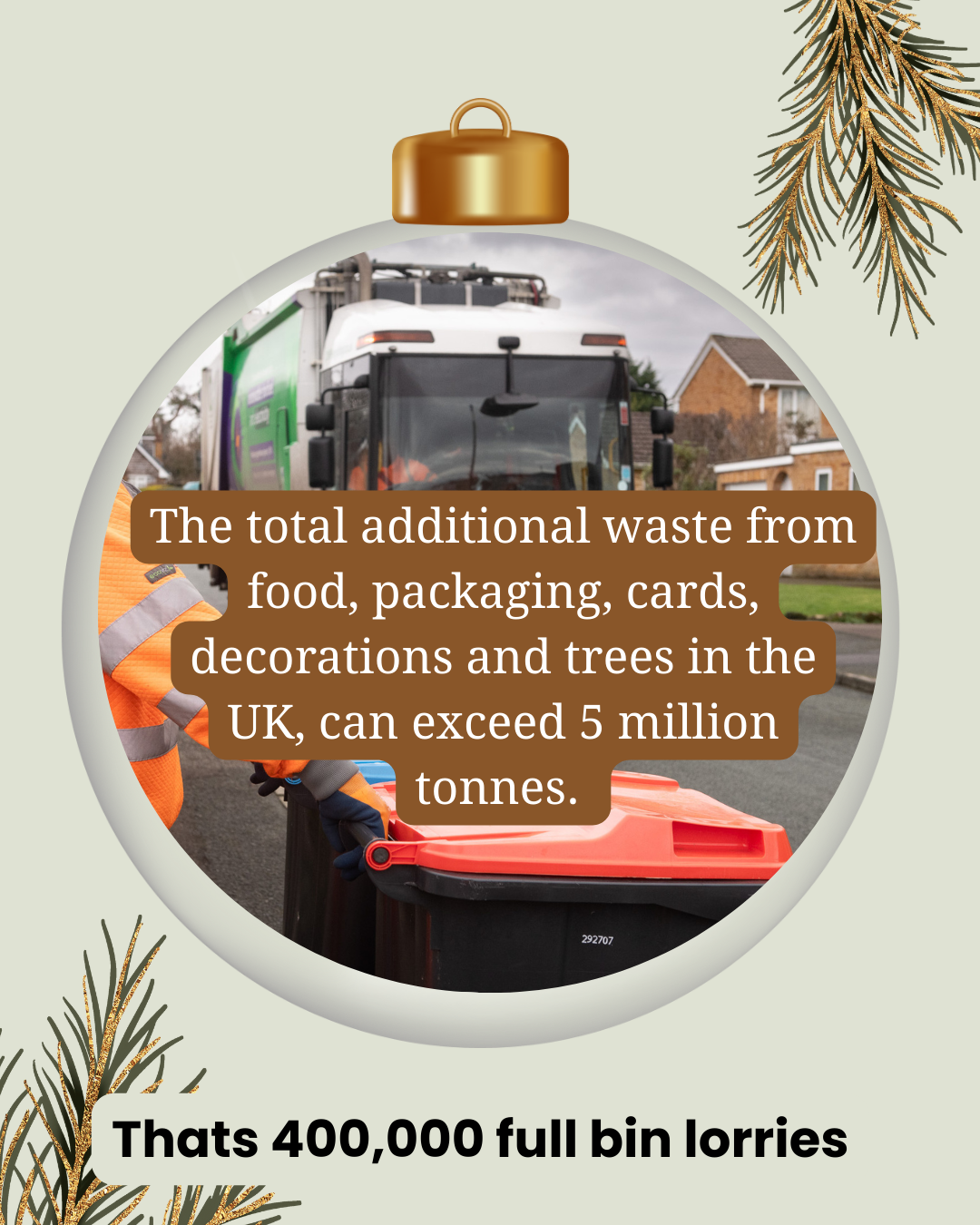
Christmas waste in the UK rises by around 30%, so even small changes at home can really add up. How many of you see your neighbours black, blue and red lidded bins overflowing after the festive reason.
Nature doesn’t create waste – humans do and we are killing the planet with it
 📬 Cards & Wrapping: What Can Be Recycled?
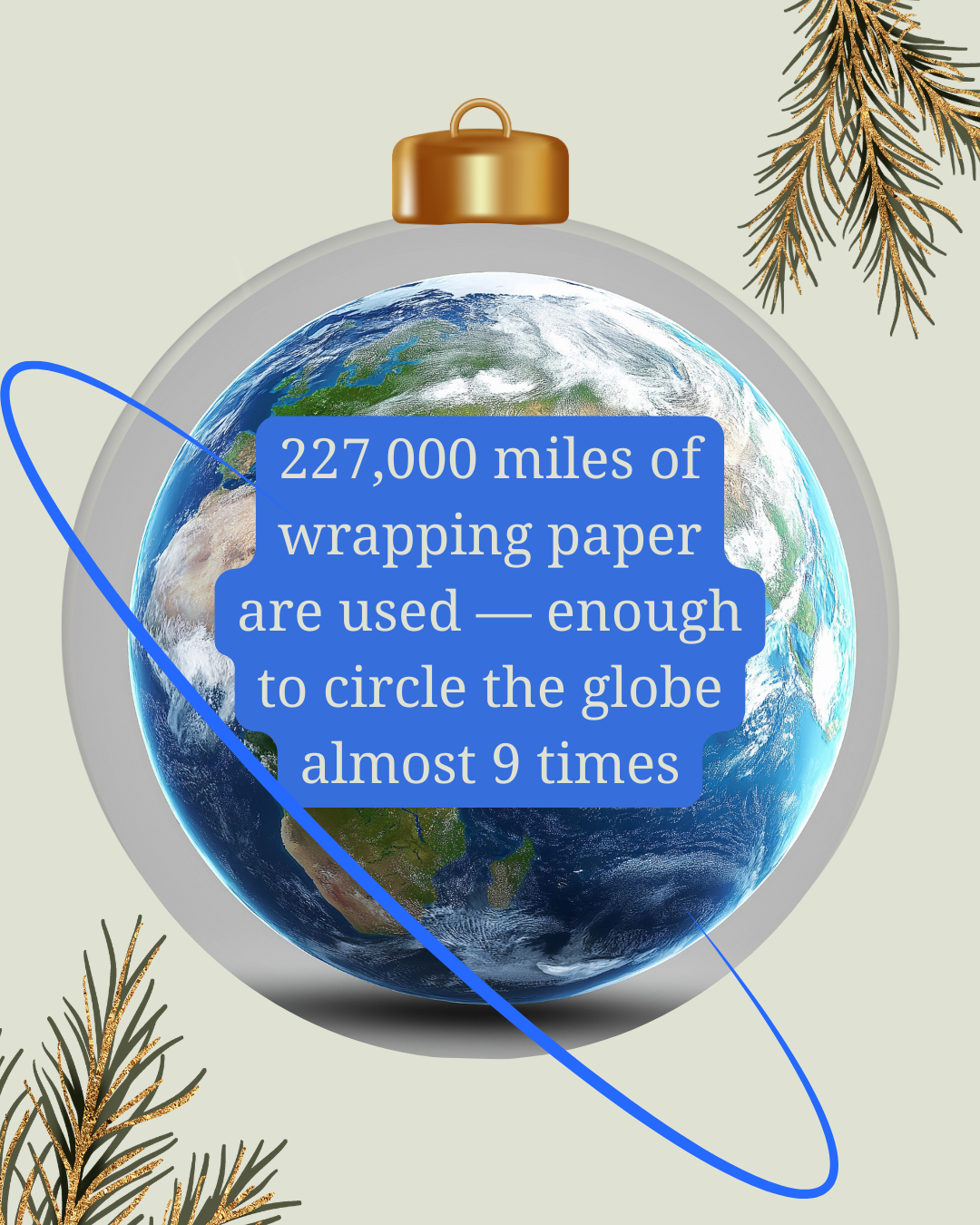
One of the biggest sources of confusion at Christmas is paper.
The Scrunch Test – A simple way to check wrapping paper is the scrunch test:
-
Scrunch the paper into a ball.
-
If it stays scrunched, it’s usually recyclable.
-
If it springs back, or contains glitter, foil or a shiny coating, it can’t be recycled.
Glitter and metallic finishes often contain plastic and contaminate recycling, even though they look festive. Retailers are getting much better and I see more and more recyclable paper for sale. I usually stamp brown parcel paper, but we were running low and noticed it was cheaper to buy some nice brown paper with images than parcel paper this year. So hubby wont have to moan about having to pretty up the wrapping paper for my gifts..
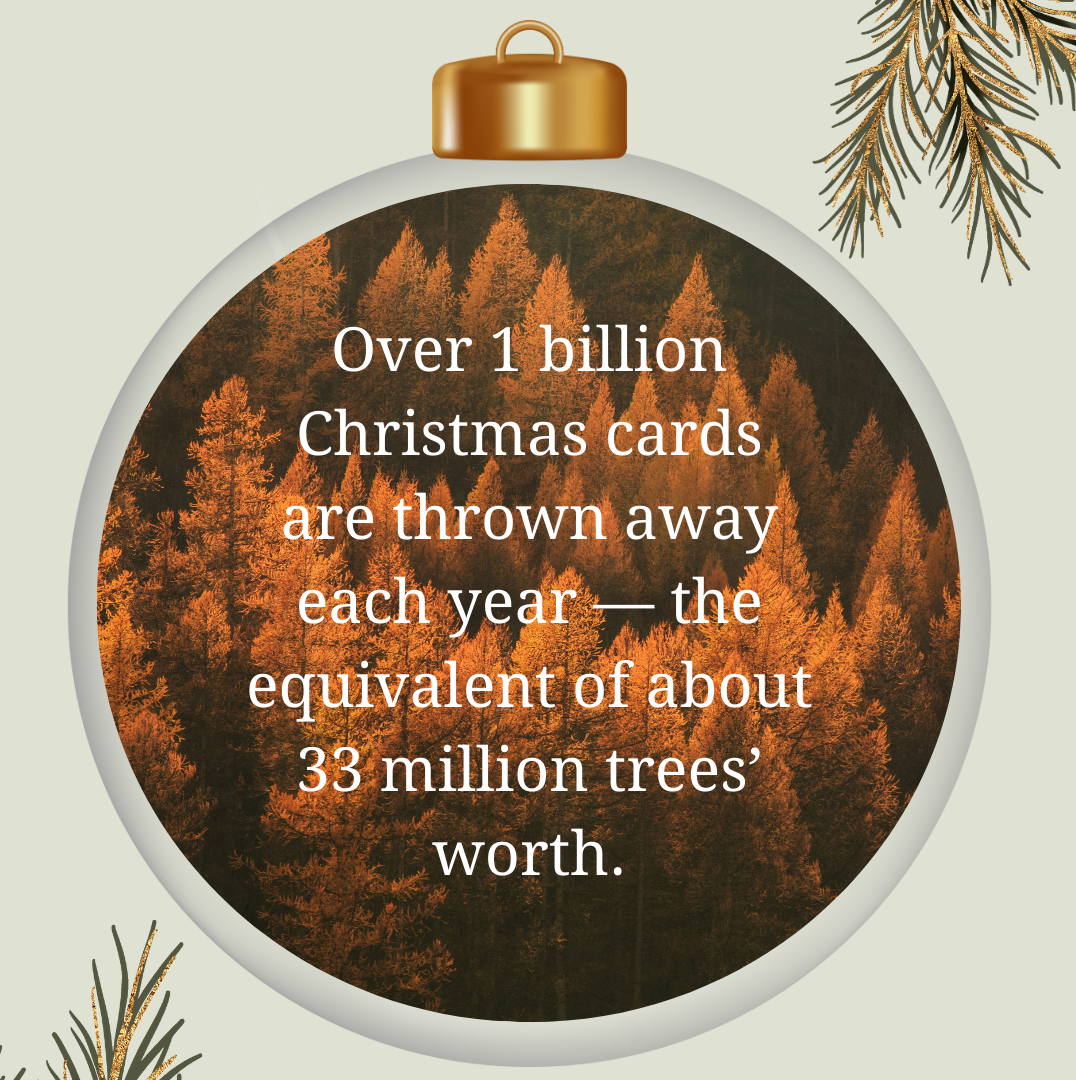
Christmas cards are usually recyclable unless they contain glitter, ribbons, foil or plastic decorations, these should be removed first.
Sharing this as a “handy tip” rather than a rule can help avoid awkward conversations.
💬 Talking to Family (Without Sounding Like the Christmas Grinch)
Many of us struggle with how to talk about sustainability with loved ones — especially when it feels like we might be criticising a gift.
-
Share what you’ve learned, rather than what others should do
“I only found this out recently — glitter paper can’t be recycled!” -
Make it practical and visual, sorting together after present-opening helps everyone see the impact.
-
Lead by example: reusable bags, fabric wrap and thoughtful cards speak louder than lectures.
Over time, understanding grows — and habits change.
🎁 Wrapping Ideas That Last for Years
Before reaching for shiny wrapping paper, consider:
-
Brown parcel paper — recyclable, simple and easy to decorate
- Fabric wrapping — reused year after year
-
Reusable gift bags — some of ours have been in circulation for over 10 years
-
Ribbons, tags and bows saved and reused each Christmas
This year I even passed on some reusable gift bags to a neighbour, those designed for younger children, and our family is now very much grown up!
🗂 Sorting the Aftermath: A Simple Christmas Ritual
After opening presents, I often take a photo of our waste and sort it into:
-
A reuse pile — fabric wrap, gift bags, ribbons
-
A recycling pile
-
A black bin pile
Each year, I’m pleased to see the black bin pile getting smaller as family understanding improves. It’s a quiet reminder that progress matters more than perfection.
🍽 Food: Plan, Enjoy, Reuse
Food waste also increases significantly at Christmas.
A few simple steps help:
-
Don’t overcook — plan portions realistically
-
Think ahead about leftovers
-
Get creative with what’s left (yes, even Brussels sprouts!)
Soups, bubble and squeak, salads and stir-fries are great ways to use festive leftovers in the days after Christmas.
✂️ Crackers & Decorations
I’ll admit it — I have a strong dislike of Christmas crackers. Even “plastic-free” ones often contain items that can’t be recycled.
If you use them:
-
Remove anything non-recyclable before disposal
-
Consider making your own with paper hats and jokes
-
Or simply skip them — your Christmas will still feel festive (not managed this with my family as yet)
🌱 A Thought for This Christmas (and the Next)
Many of us already know what needs to change. This isn’t about being perfect — it’s about sharing knowledge kindly, making reuse part of family traditions, and showing that sustainability can feel thoughtful, creative and joyful.