Why toothpaste packaging is finally becoming recyclable, and what that means for households and the environment
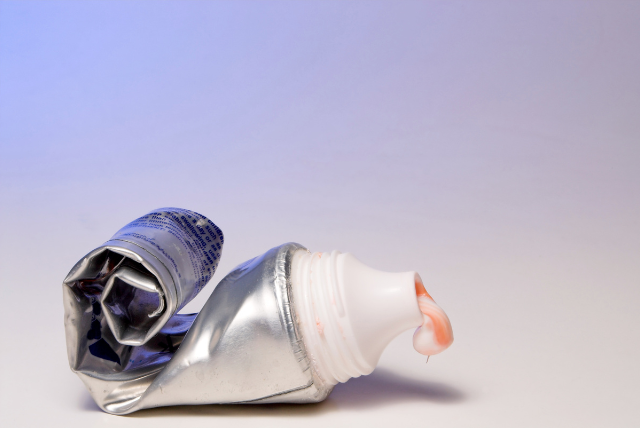
For decades, toothpaste tubes have been a persistent recycling headache — and a surprisingly large contributor to household plastic waste. Traditionally, most tubes were made from mixed materials: layers of different plastics and a thin aluminium barrier. That combination made them almost impossible to recycle through standard kerbside systems, and as a result hundreds of millions of tubes sold every year ended up in landfill or incineration.
The Problem with Old Toothpaste Tubes
-
Most tubes sold in the UK — around 252 million a year, historically contained aluminium sandwiched between plastic layers.
-
This mix meant recycling facilities couldn’t separate the materials effectively; the tubes were therefore not recyclable in routine collections and often contaminated other recyclables.
-
Toothpaste tubes became one of the UK’s top “wish-cycled” items, people hope they’re recyclable but they’re usually not accepted.
A Shift to Single-Material Plastics
The good news is that toothpaste packaging is now being redesigned around a single recyclable plastic, especially high-density polyethylene (HDPE):
-
Major manufacturers — including **Colgate-Palmolive, Haleon (Sensodyne, Aquafresh, Corsodyl) and others in partnership with the recycling charity WRAP, have worked together to switch tubes from mixed materials to HDPE mono-material construction.
-
HDPE is the same kind of plastic used in milk bottles and is widely processed through standard plastic recycling streams.
-
This redesign means tubes are now technically 100 % recyclable, and more than 90 % of toothpaste tubes sold in England today are made this way.
What’s Changing in 2026
According to recent reporting:
-
From 31 March 2026, all toothpaste tubes sold in England will need to be recyclable under new recycling rules designed to standardize collections nationally.
-
Councils will be required to provide consistent kerbside recycling for plastic tubes alongside other “plastic pots, tubs and trays” as part of the Simpler Recycling reforms.
♻️ Why This Matters
This shift is significant because:
-
It transforms an everyday item — used in almost every household — from plastic waste into a material stream that can re-enter the circular economy.
-
It also demonstrates how design-for-recycling (choosing materials that match existing recycling infrastructure) can unlock real improvements in waste management.
-
Manufacturers are sharing packaging innovations across the industry to promote broader uptake.
Tips
To ensure toothpaste tubes really get recycled (not just labeled recyclable):
-
Squeeze out as much paste as possible before recycling — residual product can reduce recovery rates.